

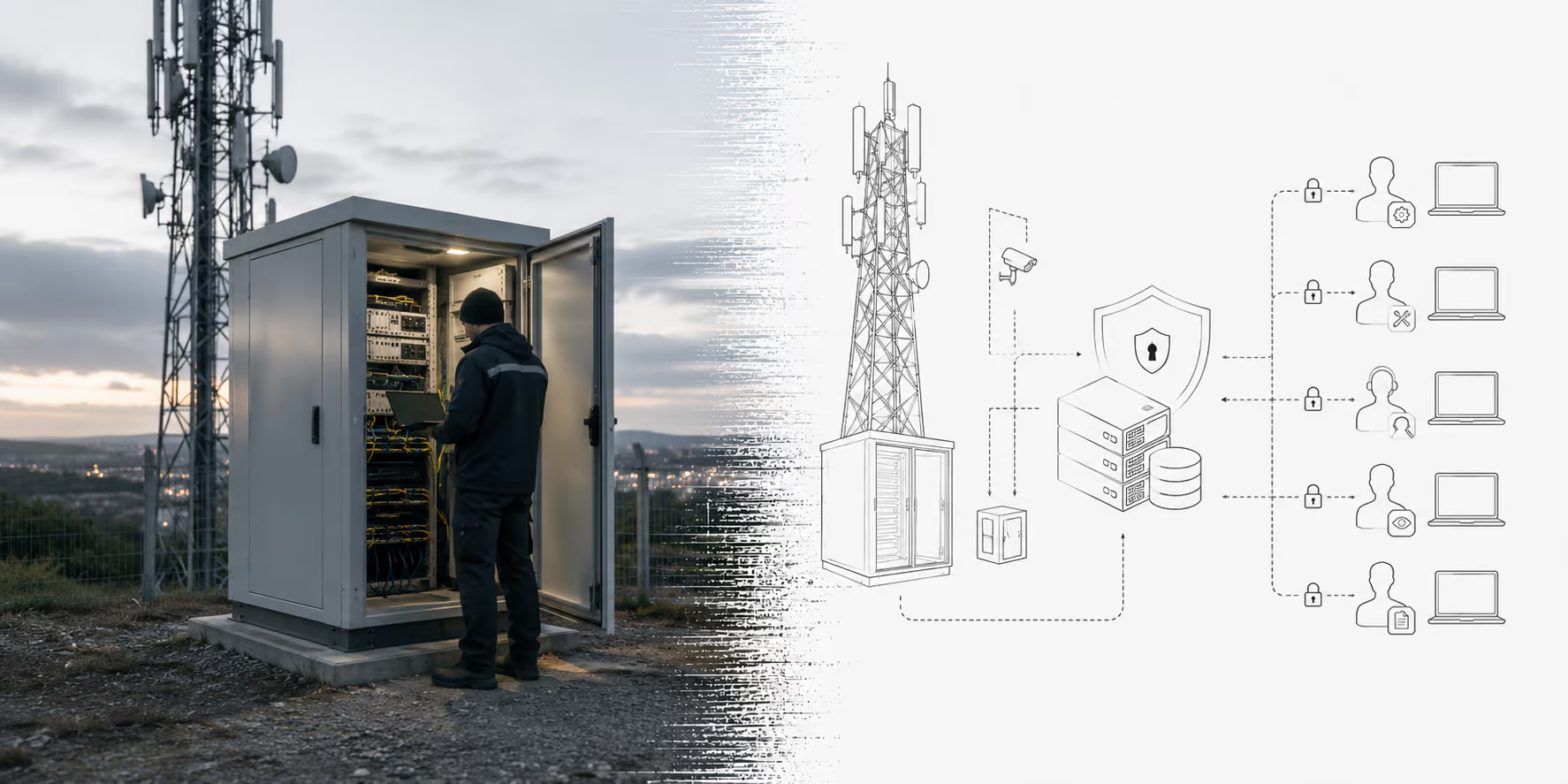
Trust, Documents, and Security
An infrastructure ERP earns trust when it withstands practical scrutiny: it is used by real organizations, has clear materials, helps manage access, and preserves the history of work with data.
Rights, Roles, and Responsibility
An operational system works with important data: objects, customers, equipment, tasks, warehouse stock, staff, and change history. Access control and role discipline are part of product maturity, not a secondary technical setting.
The working model should make it clear who sees data, who may change it, who owns reference quality, who closes tasks, and who confirms warehouse operations.
Mature Operation Without Showy Strictness
Security in operation begins with controllability. If data is scattered, permissions are unclear, changes are not recorded, and decisions depend on memory, formal strictness will not help much.
USERSIDE helps keep infrastructure data in a connected system where rights, responsibility, history, and documents become part of daily work.
Reviews, Clients, and Official Documents
Reviews and recommendation letters matter as evidence of practical use. They show that USERSIDE works in organizations with real restrictions, responsibility, and daily infrastructure operation.
Official documents add legal and product context. For companies choosing ERP for the long term, this is not a formality: it helps evaluate product stability and openness of materials.
Trust Begins With Verifiability
A serious company needs more than a general reliability claim. It needs to understand who already uses USERSIDE, which processes it supports, and which materials help evaluate it before implementation.
Clients, reviews, recommendation letters, official documents, feature descriptions, product demonstration, and open contact channels work together. They allow USERSIDE to be assessed by the combined signs of a mature infrastructure solution.